Our Approach
We keep things simple: good evidence starts with asking the right questions and listening carefully to the answers.
How we work
At Purple Link, we do not rely on one method or one perspective. We mix approaches because real life is messy, and the best insights come from looking at a problem from different angles.
Our Process
01
We start with context
Before we design a study or pick a tool, we take time to understand where we are working. Who are the people affected? What systems are already in place? What has been tried before? This groundwork keeps our research grounded.
02
We match method to question
Some questions need numbers. Others need stories. Most need both. We use surveys, interviews, focus groups, routine data, and digital tools, but only when they fit the question we are trying to answer. No forcing a square peg into a round hole
03
We involve people, not just extract data
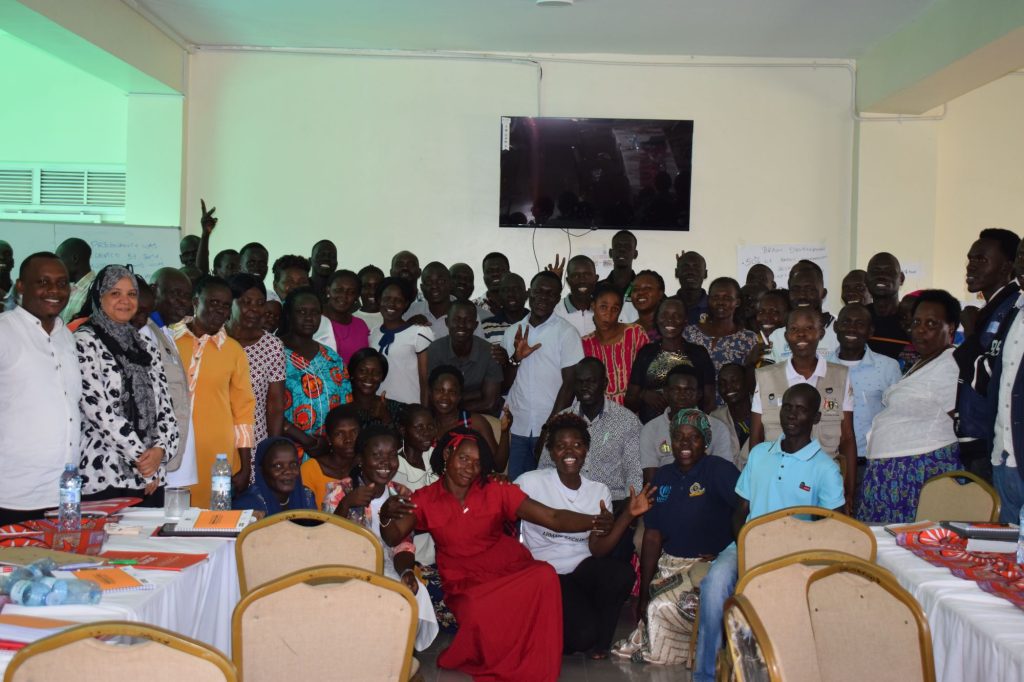
Communities, frontline staff, and local leaders know things that do not show up in reports. We build space for their voices through participatory methods, feedback loops, and co-design sessions. This makes findings more accurate and more useful.
04
We start with context
Before we design a study or pick a tool, we take time to understand where we are working. Who are the people affected? What systems are already in place? What has been tried before? This groundwork keeps our research grounded.
05
We design for use, not just for reports
A beautiful report that sits on a shelf helps no one. We work with clients from the start to clarify how evidence will be used, then shape outputs accordingly, dashboards for managers, briefs for policymakers, workshops for implementation teams.
06
We stay flexible
Plans change. Context shifts. We build in room to adapt, whether that means adjusting a sampling strategy, adding a new data source, or pausing to check in with stakeholders. Rigor does not mean rigidity.

What this looks like in practice
- Baseline surveys that feed directly into programme adjustments
- Real-time monitoring dashboards teams actually use
- Learning sessions that turn findings into action steps
- Simple tools that local staff can own and update
- Clear summaries that help non-technical audiences make decisions